
.png)






Bevarest 100mg Injection contains Bevacizumab, a targeted cancer medicine that works by blocking VEGF-A, a protein responsible for forming new blood vessels that feed tumors. By cutting off this blood supply, Bevarest helps slow cancer growth and reduce its spread. It is used along with other chemotherapy medicines to treat several advanced cancers, including breast, lung, colorectal, kidney, brain, cervical, ovarian, fallopian tube, and primary peritoneal cancers. This medicine is not recommended for children or adolescents under 18, and effective contraception is required during treatment and for at least six months afterward, as it may affect fertility and is unsafe during pregnancy and breastfeeding.
Bevarest is given as an intravenous infusion by a trained healthcare professional, usually once every 2 to 3 weeks, with the dose based on body weight. Patients are closely monitored throughout treatment, and regular tests may be done to ensure safety and effectiveness. Common side effects include constipation, reduced appetite, fever, runny nose, skin problems, and weight loss. Inform your doctor about any existing health conditions or planned surgeries, and report symptoms such as chest pain, shortness of breath, dizziness, headache, vision changes, or confusion immediately.
Bevacizumab is a monoclonal antibody that helps fight cancer by blocking VEGF, a protein that allows tumors to create new blood vessels. By stopping this process, the medicine cuts off the tumor’s supply of oxygen and nutrients, which helps slow its growth, shrink tumors, and improve the effectiveness of other cancer treatments.
Side Effects of Bevarest 100mg Injection
Like all medications, Bevarest 100mg Injection may cause side effects. However, not everyone will experience them.
Serious Side Effects (Seek immediate medical attention):
Common Side Effects (Usually mild and temporary):
For colorectal cancer, Bevacizumab is given as an IV infusion along with chemotherapy, with the dose and schedule adjusted based on the treatment plan, usually every 2 or 3 weeks. In non-small cell lung cancer, it is commonly administered once every 3 weeks together with other chemotherapy medicines, and treatment continues as long as it remains effective and tolerable. For brain cancer such as glioblastoma, Bevacizumab is typically given once every 2 weeks, with therapy continuing until the disease progresses or side effects become difficult to manage.
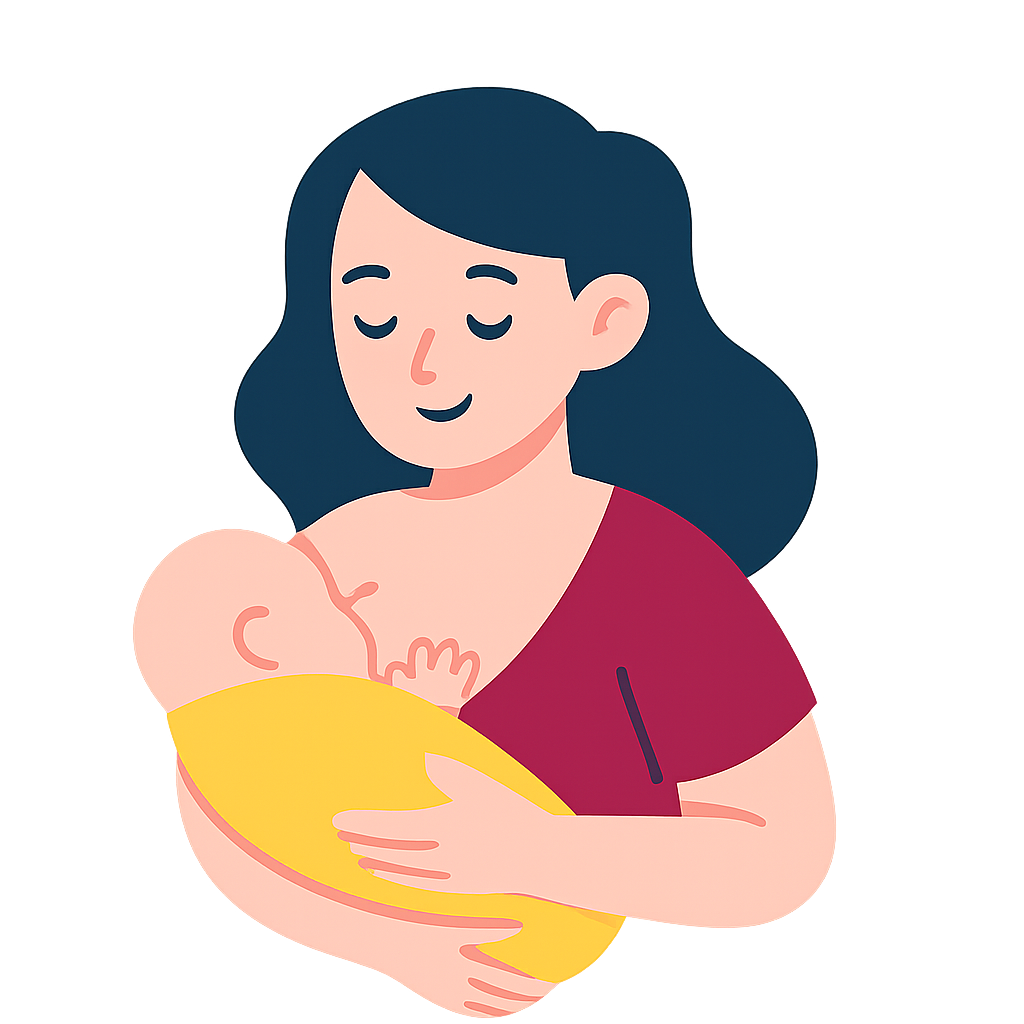
Do not breastfeed while taking Bevarest 100mg Injection, and for at least 6 months after the treatment. The medicine can affect your baby’s growth.

It is not clear if drinking alcohol is safe during this treatment. Please check with your doctor before consuming alcohol.

Tell your doctor if you have any lung conditions before beginning this treatment.

Avoid driving or operating machines while on this medicine, as it can cause dizziness or sleepiness.

Do not use Bevarest 100mg Injection if you are pregnant or planning to become pregnant. This medicine can harm your unborn baby and affect the formation of blood vessels.
Bevarest 100mg Injection is a targeted therapy that blocks VEGF-A, a protein responsible for forming new blood vessels that supply tumors. Unlike traditional chemotherapy, which attacks rapidly dividing cells broadly, Bevarest specifically cuts off the tumor’s blood supply, helping slow cancer growth and spread while supporting the effectiveness of other treatments.
Bevarest 100mg Injection is used in combination with other anticancer medicines to treat several advanced cancers, including colorectal, lung (non-small cell), breast, kidney, brain (glioblastoma), cervical, ovarian, fallopian tube, and primary peritoneal cancers. Its use depends on cancer type, stage, and overall treatment plan.
Bevarest 100mg Injection can interfere with wound healing and increase the risk of bleeding. Because of this, it is usually stopped at least 28 days before and after major surgery. Always inform your doctor about any planned surgical or dental procedures before starting or continuing treatment.
Patients receiving Bevarest 100mg Injection require regular monitoring, including blood pressure checks, urine tests for protein, and other laboratory tests. These help detect potential side effects early, such as high blood pressure, bleeding risks, or kidney-related issues.
Yes. Bevarest 100mg Injection may affect fertility and can harm an unborn baby. Effective contraception is required during treatment and for at least six months after the last dose. Breastfeeding should also be avoided, as the medicine may interfere with a baby’s growth and development.
You should contact your doctor right away if you experience chest pain, shortness of breath, severe headache, dizziness, vision changes, confusion, unusual bleeding, or delayed wound healing. Early reporting helps prevent serious complications and ensures safer treatment.
| Active ingredient | Bevacizumab |
| Pharmacologic class | VEGF Inhibitor |
| Medication category | Anticancer |
| Dosage forms | Injection |
The information on the Phoenix Pharmex website is shared for educational purposes only and is not a substitute for professional medical advice or treatment. Always consult a doctor for any health-related questions. Please avoid self diagnosis or delaying medical care based on this content. Our mission is to support informed decisions not replace professional medical guidance.

Life-Saving Medicines Expert

Affordable Patient-Centered Care

Authentic, Top-Quality Medicines

Careful & Timely Medicine Deliveries







 Login with Facebook
 Login with Google
