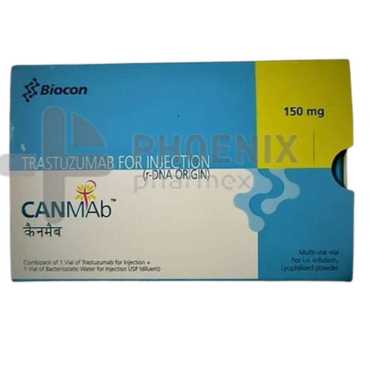
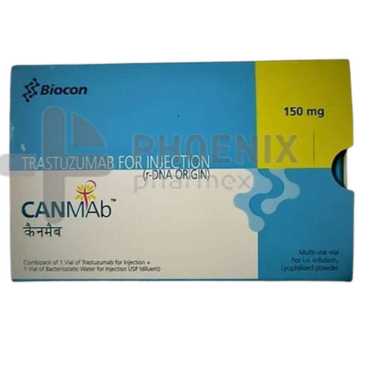
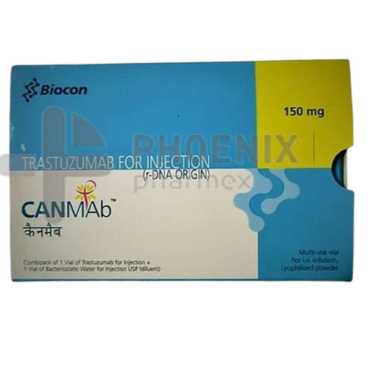




Delivery to

Detecting...
Where do you want the delivery?

Get access to your Addresses, Orders, and Wishlist

Sign in to see your location
Or Enter Pincode
Select pincode to see product availability
85% off

Vivitra 150mg Injection

Prescription Required
prescription
Cold Chain
cold chain

Salt Composition

Manufacturer

ZYDUS CADILA

Origin of Medicine

India

₹5000.00

    MRP:₹9995.00
Save ₹ 4995 (50%)
Smooth Returns
Secure Transactions
Express Air Delivery
Delivery by:
Delivering to:
Where do you want the delivery?

Get access to your Addresses, Orders, and Wishlist

Sign in to see your location
Or Enter Pincode
Select pincode to see product availability


Overview & Usage

Overview of Vivitra 150mg Injection

Vivitra 150mg Injection is a targeted cancer therapy that belongs to a group of medicines known as monoclonal antibodies. It is mainly used to treat HER2-positive breast cancer and HER2-positive gastric (stomach) cancer. This medicine works by specifically targeting the HER2 (human epidermal growth factor receptor-2) protein, which is present in higher amounts on the surface of certain cancer cells.

HER2 is a receptor found on the surface of normal cells that helps regulate cell growth and division. However, in some cancers, this receptor is produced in excess. When HER2 is overexpressed, it can cause cells to grow and multiply uncontrollably, leading to the development and progression of cancer. Vivitra contains trastuzumab, which binds to the outer part of the HER2 receptor and blocks its activity. By doing so, it interrupts the signals that encourage cancer cells to grow and survive, helping slow down or stop the spread of the disease.

Vivitra 150mg Injection works by attaching directly to the HER2 receptors on cancer cells. This targeted action helps prevent the rapid growth and replication of these cells and allows the immune system to better identify and destroy them. Because it is a targeted therapy, it focuses mainly on cancer cells with the HER2 protein, which makes it an important treatment option for patients with HER2-positive cancers.

Like many cancer treatments, Vivitra may cause certain side effects. Some commonly reported side effects include fever, cough, headache, rash, infections, and sleep disturbances. In some cases, more serious side effects may occur, such as heart-related problems, allergic reactions, or lung complications. Due to potential risks to the unborn baby, this medicine is generally not recommended during pregnancy, and patients should discuss contraception and pregnancy planning with their doctor before starting treatment.

Vivitra 150mg Injection is administered as an intravenous (IV) infusion by a trained healthcare professional in a clinical setting. Depending on the treatment plan and the patient’s condition, it may be given once every week or once every three weeks. Before administration, the powder form of the medicine is carefully reconstituted and diluted under sterile conditions. In some cases, doctors may give pre-medication to help reduce infusion-related reactions. During treatment, patients are closely monitored, including checks of heart function and vital signs, to ensure safety. This medication should never be self-administered and must always be given under medical supervision.


Usage of Vivitra 150mg Injection

Vivitra 150mg Injection is primarily used to treat HER2-positive cancers, where cancer cells produce an excess amount of the HER2 protein.

1. HER2-positive breast cancer – Used for the treatment of both early-stage and metastatic breast cancer.

2. HER2-positive gastric (stomach) cancer – Used in combination with other cancer medicines to treat advanced stomach or gastroesophageal junction cancer.

This targeted therapy works by blocking HER2 receptors on cancer cells, helping slow their growth and supporting the immune system in destroying them.

How Vivitra 150mg Injection Works

Vivitra 150mg Injection is a biosimilar of trastuzumab that targets the HER2 (Human Epidermal Growth Factor Receptor-2) protein found in high amounts on certain cancer cells. As a monoclonal antibody, it attaches to the HER2 receptor and blocks the signals that promote cancer cell growth and survival. By doing this, it slows the growth of HER2-positive cancer cells and also helps the immune system recognize and destroy them, which helps control the progression of the cancer.


Side Effects Vivitra 150mg Injection

Side Effects of Vivitra 150mg Injection

Like all medications, Vivitra 150mg Injection may cause side effects. However, not everyone will experience them.

Serious Side Effects (Seek immediate medical attention):

  • Severe allergic reactions – Swelling of the face or lips, itching, rash, or difficulty breathing
  • Heart problems – Heart failure, irregular heartbeat, or shortness of breath
  • Lung toxicity – Trouble breathing, persistent cough with fever, or fluid buildup in the lungs
  • Infusion-related reactions – Sudden drop in blood pressure, chest pain, or breathing difficulty during infusion
  • Liver function abnormalities – Increased liver enzymes detected in blood tests
  • Low white blood cell count – Higher risk of infections due to reduced immunity

Common Side Effects (Usually mild and temporary):

  • Fever or chills
  • Nausea or vomiting
  • Headache
  • Cough
  • Weakness or fatigue
  • Trouble sleeping
  • Body pain or joint pain

Dosage of Vivitra 150mg Injection

Vivitra 150mg (Trastuzumab) is administered as an intravenous (IV) infusion by a qualified healthcare professional experienced in cancer treatment. The therapy usually begins with a loading dose of 8 mg/kg, given slowly over about 90 minutes while the patient is closely monitored for any reactions. This is followed by a maintenance dose of 6 mg/kg every 3 weeks (21-day cycle), typically infused over 30–90 minutes depending on patient tolerance. The dose is calculated based on the patient’s actual body weight, and the medicine should never be given as a rapid injection. If serious infusion reactions or heart-related issues occur, the doctor may adjust or delay the treatment according to the patient’s condition.


Safety Advice for Vivitra 150mg Injection

Breast Feeding

Breast Feeding

Unsafe

Vivitra 150mg may pass into breast milk and could harm the baby. Breastfeeding is not recommended during treatment, so consult your doctor before starting or stopping breastfeeding.

Breast Feeding

Alcohol

Consult Your Doctor

Drinking alcohol during treatment may increase certain side effects. It is best to speak with your doctor about safe alcohol consumption while receiving Vivitra.

Breast Feeding

Lungs

Safe

Patients with serious lung conditions or those requiring oxygen support should use this medicine with caution. Inform your doctor if you experience breathing difficulties or lung-related symptoms.

Breast Feeding

Driving

Unsafe

Vivitra may cause fatigue, dizziness, or weakness in some patients. Avoid driving or operating heavy machinery if you feel unwell after receiving the infusion.

Breast Feeding

Pregnancy

Unsafe

Vivitra 150mg Injection should not be used during pregnancy as it may harm the unborn baby. Women who can become pregnant should use effective contraception during treatment and for at least 7 months after the last dose. Inform your doctor immediately if pregnancy occurs during treatment.

Storage Advice Vivitra 150mg Injection

  • Store in a refrigerator (2 - 8°C)
  • Do not freeze
  • Keep out of reach of children and pets
  • Expert Tips

  • Monitor heart function regularly during treatment to detect any heart-related side effects.
  • Attend all scheduled infusion appointments to maintain the effectiveness of the therapy.
  • Report symptoms immediately, such as shortness of breath, chest pain, or severe fatigue.
  • Be monitored during infusion, especially the first dose, to manage possible infusion reactions.
  • Follow your doctor’s instructions carefully and attend regular follow-up visits for proper monitoring.

  • FAQs about Vivitra 150mg Injection

    Q1. How does Vivitra 150mg work differently from chemotherapy?

    Vivitra150mg is a targeted therapy that specifically attacks cancer cells with the HER2 protein. Unlike chemotherapy, which affects both healthy and cancer cells, Vivitra blocks HER2 signals and helps the immune system destroy cancer cells.

    Q2. Do the side effects of Vivitra 150mg last for a long time?

    Most side effects are temporary and improve after treatment. However, some effects, especially heart or lung-related issues, may require long-term monitoring.

    Q3. What should I do if I miss a dose of Vivitra 150mg?

    If you miss a dose, contact your doctor immediately. Do not take a double dose or try to administer it yourself.

    Q4. Can Trastuzumab interact with food or drinks?

    There are no known food restrictions, but limiting alcohol and excessive caffeine is recommended during treatment.

    Q5. Are there any drug interactions with Vivitra 150mg?

    Vivitra 150mg may interact with some chemotherapy medicines like paclitaxel or carboplatin, which can increase certain side effects. Always inform your doctor about all medications you take.

    Q6. Can Vivitra 150mg affect the heart?

    Yes, Vivitra 150mg may cause heart-related problems in some patients. Doctors usually monitor heart function regularly during treatment.

    Key Fact Box

    Active ingredient Trastuzumab
    Pharmacologic class Recombinant IgG1 monoclonal antibody
    Medication category ANTI NEOPLASTICS
    Dosage forms Injection

    Medical Advisory

      The information on the Phoenix Pharmex website is shared for educational purposes only and is not a substitute for professional medical advice or treatment. Always consult a doctor for any health-related questions. Please avoid self diagnosis or delaying medical care based on this content. Our mission is to support informed decisions not replace professional medical guidance.

    DOSAGE

    Frequently Asked Questions

    Azadine 100mg Injection contains Azacitidine which belongs to the group of medicines called Anticancer agents. It is used in adults to treat all sub-types of myelodysplastic syndromes (MDS; group of cancers associated with blood and bone marrow) and certain types of blood cancers known as Chronic myelomonocytic leukemia (CMML) and acute myeloid leukemia (AML).

    Azadine 100mg Injection is typically used in adults who cannot undergo stem cell transplantation. It may be also used to treat other conditions, as determined by the doctor.

    Azadine Injection is given as an injection under the medical supervision of a doctor. Your doctor will decide what dose is necessary and how often you need to take it. This will depend on what you are being treated for and may change from time to time. You should take it exactly as your doctor has advised.

    You must inform your doctor before taking any vaccination while on treatment with this medicine. Regular blood tests are required to check your blood cells along with the heart, liver, and kidney.

    Before taking it, tell your doctor if you have liver, or kidney problems or are taking any medicines to treat infections. Many other medicines can affect, or be affected by, this medicine so let your doctor know all medications you are using.

    MEDICINAL USE OF AZADINE 100MG INJECTION

    Azadine 100mg Injection is an anticancer medication. It works by blocking the actions of certain enzymes (DNA/RNA methyltransferase) within the cancer cells that is required for the cells to grow and multiply. It also reduces the production of new genetic material (RNA and DNA) within the cells. As a result, it prevents abnormal cell division within the body, slows down the growth of cancer cells and helps the bone marrow to produce normal blood cells.

    It is used to treat:

    • All sub-types of myelodysplastic syndromes (MDS; group of cancers associated with blood and bone marrow)
    • Chronic myelomonocytic leukemia (CMML; blood cancer of monocytes)
    • Acute myeloid leukemia (AML; blood cancer of WBC)
    SIDE EFFECTS OF AZADINE 100MG INJECTION

    Side effects are unwanted symptoms caused by medicines. Even though all drugs cause side effects, not everyone gets them.

    • Low RBC count causing anemia, tiredness and pale skin
    • Increased infections, lung infections (pneumonia), fever and chills
    • Increased bleeding tendency due to low blood platelet counts
    • Nausea, vomiting
    • Diarrhea, constipation, loss of appetite, stomach pain
    • Tiredness, weakness
    • Injection site reactions (such as pain, redness and swelling or lump formation)
    • Joint pain, muscle pain, skin rashes with redness and itching
    • Sore nose and throat, cold sores, sinnusitis
    • Headache, dizziness
    • Trouble sleeping (insomnia)
    • Nosebleeds, bleeding gums
    • Weight loss
    • Urinary tract infections
    • Ulcers of mouth or tongue
    • High or low blood pressure
    • Anxiety, confusion
    • Hair loss, dehydration
    • Oral fungal infection
    • Sleepiness
    • Fluid around the lungs or heart
    DOSAGE OF AZADINE 100MG INJECTION
    • The dose of Azacitidine is determined by the patient's height, weight, and general condition. It is given under the skin of your thigh, stomach, or upper arm.
    • Minimum of 4 to 6 cycles; may continue treatment if the patient continues to benefit.
    • Since Azadine 100 mg Injection is administered in the hospital or clinical setting by a qualified health care professional, the likelihood of a missed dose is very low.
    • Since Azadine 100 mg Injection is administered in the hospital or clinical setting by a qualified healthcare professional, the likelihood of an overdose is very low. However, emergency medical treatment will be initiated by the doctor if an overdose is suspected.

    Ques 1: What is the use of AZADINE 100MG INJECTION?

    Ans :AZADINE 100MG INJECTION is used in adults to treat all sub-types of myelodysplastic syndromes (MDS; group of cancers associated with blood and bone marrow) and certain types of blood cancers known as Chronic myelomonocytic leukemia (CMML) and acute myeloid leukemia (AML).

    Ques 2: How does AZADINE 100MG INJECTION works?

    Ans :AZADINE 100MG INJECTION is an anticancer medication. It works by blocking the actions of certain enzymes (DNA/RNA methyltransferase) within the cancer cells that is required for the cells to grow and multiply. It also reduces the production of new genetic material (RNA and DNA) within the cells. As a result, it prevents abnormal cell division within the body, slows down the growth of cancer cells and helps the bone marrow to produce normal blood cells.

    Ques 3: Can I take AZADINE 100MG INJECTION during breastfeeding?

    Ans :No. AZADINE 100MG INJECTION is not recommended for use in breast-feeding women. Therefore, inform your doctor before receiving it.

    Ques 4: Can AZADINE 100MG INJECTION increase the risk of infections?

    Ans :AZADINE 100MG INJECTION may cause a drop in the number of white blood cells in the body and may weaken your immune system. As a result, you may be at a greater risk of getting infected while receiving AZADINE 100MG INJECTION. To avoid this, your doctor will regular monitor your blood counts as a precaution. However, inform your doctor if you experience any signs of infection such as fever.

    Ques 5: Can the use of AZADINE 100MG INJECTION make me feel tired?

    Ans :Yes. AZADINE 100MG INJECTION may make you feel tired easily. This is because, it reduces the levels of red blood cells in your blood and may make you anemic. Consult your doctor if you experience tiredness after receiving AZADINE 100MG INJECTION. Tiredness can also occur if you have any pre-existing disease conditions such as liver or kidney impairment while receiving this medicine.

    Ques 6: Can I drive a car after receiving AZADINE 100MG INJECTION?

    Ans :AZADINE 100MG INJECTION may make you feel tired or weak. Therefore, do not drive or operate any heavy tools or machines if your ability is affected by AZADINE 100MG INJECTION.

    Ques 7: How AZADINE 100MG INJECTION is administered?

    Ans :AZADINE 100MG INJECTION will be given to you only by a doctor or a nurse beneath the skin (subcutaneously) of thighs, arms or abdomen.

    Ques 8: How to control nausea caused due to AZADINE 100MG INJECTION?

    Ans :Generally, anticancer medicines are associated with uncontrollable nausea and vomiting. To avoid this, your doctor would prescribe a suitable medicine to control them along with AZADINE 100MG INJECTION. If not, consult your doctor for a suitable anti-emetic medicine. Do not self-treat nausea.

    Overview of Vivitra 150mg Injection

    Vivitra 150mg Injection is a targeted cancer therapy that belongs to a group of medicines known as monoclonal antibodies. It is mainly used to treat HER2-positive breast cancer and HER2-positive gastric (stomach) cancer. This medicine works by specifically targeting the HER2 (human epidermal growth factor receptor-2) protein, which is present in higher amounts on the surface of certain cancer cells.

    HER2 is a receptor found on the surface of normal cells that helps regulate cell growth and division. However, in some cancers, this receptor is produced in excess. When HER2 is overexpressed, it can cause cells to grow and multiply uncontrollably, leading to the development and progression of cancer. Vivitra contains trastuzumab, which binds to the outer part of the HER2 receptor and blocks its activity. By doing so, it interrupts the signals that encourage cancer cells to grow and survive, helping slow down or stop the spread of the disease.

    Vivitra 150mg Injection works by attaching directly to the HER2 receptors on cancer cells. This targeted action helps prevent the rapid growth and replication of these cells and allows the immune system to better identify and destroy them. Because it is a targeted therapy, it focuses mainly on cancer cells with the HER2 protein, which makes it an important treatment option for patients with HER2-positive cancers.

    Like many cancer treatments, Vivitra may cause certain side effects. Some commonly reported side effects include fever, cough, headache, rash, infections, and sleep disturbances. In some cases, more serious side effects may occur, such as heart-related problems, allergic reactions, or lung complications. Due to potential risks to the unborn baby, this medicine is generally not recommended during pregnancy, and patients should discuss contraception and pregnancy planning with their doctor before starting treatment.

    Vivitra 150mg Injection is administered as an intravenous (IV) infusion by a trained healthcare professional in a clinical setting. Depending on the treatment plan and the patient’s condition, it may be given once every week or once every three weeks. Before administration, the powder form of the medicine is carefully reconstituted and diluted under sterile conditions. In some cases, doctors may give pre-medication to help reduce infusion-related reactions. During treatment, patients are closely monitored, including checks of heart function and vital signs, to ensure safety. This medication should never be self-administered and must always be given under medical supervision.


    Usage of Vivitra 150mg Injection

    Vivitra 150mg Injection is primarily used to treat HER2-positive cancers, where cancer cells produce an excess amount of the HER2 protein.

    1. HER2-positive breast cancer – Used for the treatment of both early-stage and metastatic breast cancer.

    2. HER2-positive gastric (stomach) cancer – Used in combination with other cancer medicines to treat advanced stomach or gastroesophageal junction cancer.

    This targeted therapy works by blocking HER2 receptors on cancer cells, helping slow their growth and supporting the immune system in destroying them.

    How Vivitra 150mg Injection Works

    Vivitra 150mg Injection is a biosimilar of trastuzumab that targets the HER2 (Human Epidermal Growth Factor Receptor-2) protein found in high amounts on certain cancer cells. As a monoclonal antibody, it attaches to the HER2 receptor and blocks the signals that promote cancer cell growth and survival. By doing this, it slows the growth of HER2-positive cancer cells and also helps the immune system recognize and destroy them, which helps control the progression of the cancer.


    Side Effects Vivitra 150mg Injection

    Side Effects of Vivitra 150mg Injection

    Like all medications, Vivitra 150mg Injection may cause side effects. However, not everyone will experience them.

    Serious Side Effects (Seek immediate medical attention):

    • Severe allergic reactions – Swelling of the face or lips, itching, rash, or difficulty breathing
    • Heart problems – Heart failure, irregular heartbeat, or shortness of breath
    • Lung toxicity – Trouble breathing, persistent cough with fever, or fluid buildup in the lungs
    • Infusion-related reactions – Sudden drop in blood pressure, chest pain, or breathing difficulty during infusion
    • Liver function abnormalities – Increased liver enzymes detected in blood tests
    • Low white blood cell count – Higher risk of infections due to reduced immunity

    Common Side Effects (Usually mild and temporary):

    • Fever or chills
    • Nausea or vomiting
    • Headache
    • Cough
    • Weakness or fatigue
    • Trouble sleeping
    • Body pain or joint pain

    Dosage of Vivitra 150mg Injection

    Vivitra 150mg (Trastuzumab) is administered as an intravenous (IV) infusion by a qualified healthcare professional experienced in cancer treatment. The therapy usually begins with a loading dose of 8 mg/kg, given slowly over about 90 minutes while the patient is closely monitored for any reactions. This is followed by a maintenance dose of 6 mg/kg every 3 weeks (21-day cycle), typically infused over 30–90 minutes depending on patient tolerance. The dose is calculated based on the patient’s actual body weight, and the medicine should never be given as a rapid injection. If serious infusion reactions or heart-related issues occur, the doctor may adjust or delay the treatment according to the patient’s condition.


    Safety Advice for Vivitra 150mg Injection

    Breast Feeding

    Breast Feeding

    Unsafe

    Vivitra 150mg may pass into breast milk and could harm the baby. Breastfeeding is not recommended during treatment, so consult your doctor before starting or stopping breastfeeding.

    Breast Feeding

    Alcohol

    Consult Your Doctor

    Drinking alcohol during treatment may increase certain side effects. It is best to speak with your doctor about safe alcohol consumption while receiving Vivitra.

    Breast Feeding

    Lungs

    Safe

    Patients with serious lung conditions or those requiring oxygen support should use this medicine with caution. Inform your doctor if you experience breathing difficulties or lung-related symptoms.

    Breast Feeding

    Driving

    Unsafe

    Vivitra may cause fatigue, dizziness, or weakness in some patients. Avoid driving or operating heavy machinery if you feel unwell after receiving the infusion.

    Breast Feeding

    Pregnancy

    Unsafe

    Vivitra 150mg Injection should not be used during pregnancy as it may harm the unborn baby. Women who can become pregnant should use effective contraception during treatment and for at least 7 months after the last dose. Inform your doctor immediately if pregnancy occurs during treatment.

    Storage Advice Vivitra 150mg Injection

  • Store in a refrigerator (2 - 8°C)
  • Do not freeze
  • Keep out of reach of children and pets
  • Expert Tips

  • Monitor heart function regularly during treatment to detect any heart-related side effects.
  • Attend all scheduled infusion appointments to maintain the effectiveness of the therapy.
  • Report symptoms immediately, such as shortness of breath, chest pain, or severe fatigue.
  • Be monitored during infusion, especially the first dose, to manage possible infusion reactions.
  • Follow your doctor’s instructions carefully and attend regular follow-up visits for proper monitoring.

  • FAQs about Vivitra 150mg Injection

    Q1. How does Vivitra 150mg work differently from chemotherapy?

    Vivitra150mg is a targeted therapy that specifically attacks cancer cells with the HER2 protein. Unlike chemotherapy, which affects both healthy and cancer cells, Vivitra blocks HER2 signals and helps the immune system destroy cancer cells.

    Q2. Do the side effects of Vivitra 150mg last for a long time?

    Most side effects are temporary and improve after treatment. However, some effects, especially heart or lung-related issues, may require long-term monitoring.

    Q3. What should I do if I miss a dose of Vivitra 150mg?

    If you miss a dose, contact your doctor immediately. Do not take a double dose or try to administer it yourself.

    Q4. Can Trastuzumab interact with food or drinks?

    There are no known food restrictions, but limiting alcohol and excessive caffeine is recommended during treatment.

    Q5. Are there any drug interactions with Vivitra 150mg?

    Vivitra 150mg may interact with some chemotherapy medicines like paclitaxel or carboplatin, which can increase certain side effects. Always inform your doctor about all medications you take.

    Q6. Can Vivitra 150mg affect the heart?

    Yes, Vivitra 150mg may cause heart-related problems in some patients. Doctors usually monitor heart function regularly during treatment.

    Key Fact Box

    Active ingredient Trastuzumab
    Pharmacologic class Recombinant IgG1 monoclonal antibody
    Medication category ANTI NEOPLASTICS
    Dosage forms Injection

    Medical Advisory

      The information on the Phoenix Pharmex website is shared for educational purposes only and is not a substitute for professional medical advice or treatment. Always consult a doctor for any health-related questions. Please avoid self diagnosis or delaying medical care based on this content. Our mission is to support informed decisions not replace professional medical guidance.

    Why Phoenix Pharmex

    Life-Saving Medicines Expert

    Affordable Patient-Centered Care

    Authentic, Top-Quality Medicines

    Careful & Timely Medicine Deliveries

      Call Now   Enquiry Now
    //