
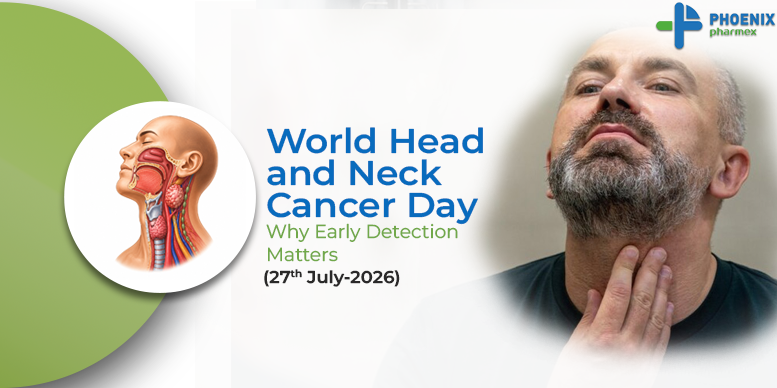
World Head and Neck Cancer Day (27th July): Why Early Detection Matters

14 Feb 2026

6 Min. Read

Introduction
Many people ignore symptoms such as a persistent sore throat, voice changes, or a lump in the neck, assuming they will go away on their own. While this is often true, some symptoms that last for weeks may need medical attention. World Head and Neck Cancer Day highlights the importance of recognizing these early warning signs, not to create fear, but to encourage awareness. Early detection can lead to timely diagnosis, more treatment options, and better outcomes, making it easier to manage health concerns before they become more serious.
What is World Head and Neck Cancer Day?
World Head and Neck Cancer Day is observed every year on 27th July to increase awareness about cancers that develop in the head and neck region.
These cancers may affect areas such as:
The mouth
Throat
Voice box (larynx)
Nose and sinuses
Salivary glands
The day is dedicated to raising awareness about the importance of recognizing early warning signs and seeking timely medical advice when symptoms persist. At its heart, this awareness initiative is about empowering people with knowledge not creating fear. By understanding the risks, symptoms, and value of early detection, individuals can take proactive steps toward protecting their health and improving outcomes through timely diagnosis and care.
Why Head and Neck Cancers Can Be Overlooked?
Many early symptoms of head and neck cancer resemble common everyday conditions.
For example:
A sore throat may feel like a routine infection
Hoarseness may be blamed on overuse of the voice
Mouth ulcers may seem temporary
Because these symptoms frequently have harmless causes, many people may not think twice about them. The key concern is not always how severe a symptom feels, but how long it lasts. A mild symptom that persists for several weeks may deserve more attention than a stronger symptom that disappears quickly. This is why awareness and monitoring persistent changes are so important for the early detection of head and neck cancer.
Common Symptoms of Head and Neck Cancer
Early detection often begins not with a single symptom, but with noticing patterns that persist over time. Paying attention to ongoing changes in your body can help you recognize when something may need further evaluation.
Possible symptoms include:
A lump in the neck
Persistent sore throat
Difficulty swallowing
Changes in voice or ongoing hoarseness
Mouth ulcers that do not heal
Persistent ear pain
Unexplained weight loss
Ongoing nasal blockage or bleeding
It is important to remember that these symptoms do not automatically indicate cancer. In many cases, they may be caused by less serious conditions. What matters most is whether the symptoms:
Persist
Return repeatedly
Change from your normal pattern
Awareness is not about expecting the worst. It is about understanding your body, recognizing when something feels different, and seeking guidance when needed. Awareness creates clarity not alarm.
Benefits of Early Detection in Head and Neck Cancer
One of the most important messages of World Head and Neck Cancer Day is the value of early detection. Recognizing and evaluating persistent symptoms at an early stage can make a meaningful difference in the journey ahead.
When changes are identified sooner:
Diagnosis may occur earlier
Treatment planning may be more straightforward
More management options may be available
Early detection is not about searching for problems or creating unnecessary worry. It is about gaining clarity, understanding what is happening, and making informed decisions with confidence. When a condition is identified early, there is often more time, more information, and more opportunity to plan the next steps effectively. Awareness today can help reduce uncertainty tomorrow.
Risk Factors for Head and Neck Cancer
Head and neck cancers can develop due to a combination of lifestyle, environmental, and biological factors. Understanding these risk factors can help increase awareness and support informed health decisions.
Common risk factors may include:
Tobacco use
Excessive alcohol consumption
Certain viral infections
Long-term exposure to harmful substances
Poor oral health in some situations
It is important to remember that risk factors do not guarantee that someone will develop cancer. Many people with one or more risk factors never develop the disease, while others may be diagnosed without any obvious risk factors at all. This variation is a normal part of how health conditions develop. Risk factors help us understand likelihood and probability not certainty. Awareness of these factors can encourage preventive habits, regular health check-ups, and greater attention to persistent symptoms.
What Doctors Do When Symptoms Need Evaluation?
When symptoms persist or do not follow their usual pattern, healthcare professionals use a careful and structured approach to understand the cause. The goal is not to jump to conclusions, but to gather accurate information and ensure the right next steps are taken.
This evaluation may include:
1. Medical History and Examination
Doctors will discuss your symptoms, how long they have been present, and any relevant health history before performing a physical examination.
2. Imaging Tests
Scans may be recommended to provide a closer look at the affected area and identify any changes that require further attention.
3. Endoscopic Examination
This specialized procedure allows healthcare professionals to examine areas inside the throat, nose, or other parts of the head and neck region more clearly.
4. Biopsy (If Needed)
In some cases, a small tissue sample may be collected and examined to provide additional clarity about the nature of the changes observed.
Each step is designed to build a clearer picture of what is happening. The purpose of evaluation is not to create unnecessary concern, it is to understand symptoms accurately and guide appropriate care with confidence.
Importance of Medical Guidance
When a symptom persists, keeps returning, or simply feels different from your normal pattern, seeking medical guidance can provide valuable clarity and peace of mind. Consulting a qualified healthcare professional is an important step toward understanding what your body may be trying to tell you.
Medical guidance can help with:
Accurate evaluation of symptoms
Appropriate testing when necessary
Reassurance when symptoms are not serious
Early planning if further care is needed
The purpose of seeking medical advice is not to create concern or assume the worst. It is about gaining reliable information, making informed decisions, and ensuring that any health changes receive the attention they deserve. Understanding a symptom early often makes it easier to navigate the path forward with confidence and clarity.
Conclusion
World Head and Neck Cancer Day highlights the importance of awareness, early detection, and timely medical guidance. Not every symptom is a cause for concern, but persistent changes should not be ignored. By recognizing potential warning signs and seeking professional evaluation when needed, individuals can make informed health decisions with greater confidence. Awareness is not about fear, it is about understanding your health and taking action when something does not feel right.
FAQs
1. What is World Head and Neck Cancer Day?
World Head and Neck Cancer Day is observed every year on 27th July to raise awareness about head and neck cancers. The day focuses on educating people about symptoms, risk factors, and the importance of early detection.
2. What are common early symptoms of head and neck cancer?
Common symptoms may include a persistent sore throat, voice changes, difficulty swallowing, mouth ulcers that do not heal, or lumps in the neck. While these symptoms can have many causes, persistent changes should be evaluated.
3. Does a sore throat always indicate cancer?
No. Most sore throats are caused by infections, allergies, or other non-cancerous conditions. However, a sore throat that continues for several weeks or repeatedly returns may require medical attention.
4. Why is early detection important?
Early detection can help identify changes before they become more advanced. This may allow for earlier diagnosis, more treatment options, and better planning of care.
5. When should I seek medical advice?
If symptoms persist for several weeks, recur frequently, or feel unusual for you, it is advisable to consult a healthcare professional. Early evaluation helps provide clarity and supports timely care when needed.
Reference
https://dsresearchcentre.com/blogs/head-and-neck-cancer-awareness
https://www.dentalhealth.org/blog/learn-check-and-act-for-world-head-and-neck-cancer-awareness-day
https://drsanu.com/blog/world-head-and-neck-cancer-day-join-fight-against-head-neck-cancer/
Medical Disclaimer
The information provided on Phoenix Pharmex is for educational purposes only and should not be considered a substitute for professional medical advice, diagnosis, or treatment. Always consult a qualified healthcare provider or doctor for any medical concerns, medication use, or health-related decisions. Do not ignore or delay seeking medical advice based on the content available on this website.

 Login with Facebook
 Login with Google
