
Understanding Multiple Myeloma: A Complete Patient Guide
Introduction
For many people, the most difficult part of hearing the term multiple myeloma is the uncertainty that comes with it. The name itself can feel unfamiliar, leading to questions like: What is multiple myeloma? How does it affect the body? What happens after diagnosis?
This uncertainty is natural. But understanding Multiple Myeloma does not happen all at once. It becomes clearer gradually, step by step, through explanation, medical guidance, and ongoing support.
When the condition is understood in a structured way, it often feels less overwhelming and more manageable.
Understanding Multiple Myeloma
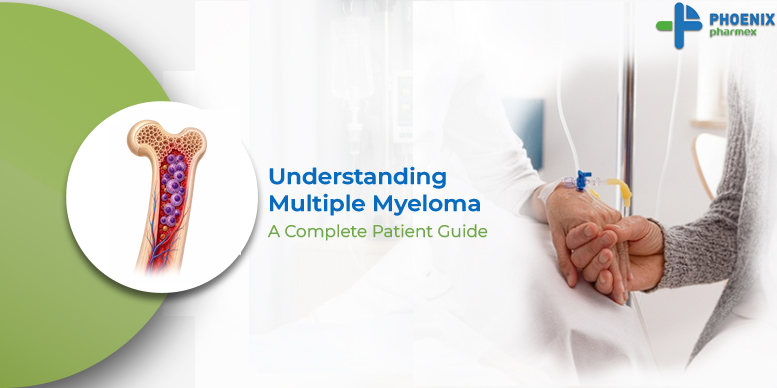
To begin understanding Multiple Myeloma, it helps to start with the basics. Multiple myeloma is a type of blood cancer that affects plasma cells, which are an important part of the immune system. Normally, plasma cells help the body respond to infections by producing antibodies.
In blood cancer multiple myeloma, these plasma cells begin growing in an unregulated way inside the bone marrow. Over time, this abnormal growth may affect:
Healthy blood cell production
Bone strength and structure
Kidney function
Immune system balance
The condition usually develops gradually rather than suddenly. This gradual progression allows healthcare professionals to monitor changes carefully and guide treatment step by step over time.
Why Does Multiple Myeloma Happen?
Inside the bone marrow, blood cells are normally produced in a balanced and organized way. In Multiple Myeloma, changes occur within plasma cells, causing them to grow and multiply abnormally over time.
As these abnormal plasma cells increase:
Healthy blood cells may decrease
Bone marrow function may become disrupted
Certain proteins may build up in the blood or urine
This process usually develops gradually rather than suddenly. Because progression is often slow, symptoms may appear over time instead of all at once, allowing doctors to monitor the condition carefully and guide treatment step by step.
Multiple Myeloma Causes
The exact causes of Multiple Myeloma are not always fully understood. In many cases, there is no single clear reason why the condition develops.
However, certain factors may increase risk over time, including:
Increasing age
Family history in some cases
Long-term environmental exposures
Certain immune system changes
These factors do not guarantee that someone will develop multiple myeloma. They simply help explain why risk and occurrence may vary between individuals.
Multiple Myeloma Symptoms
The symptoms of Multiple Myeloma can vary from person to person. Some individuals notice symptoms early, while others may discover the condition during routine blood tests or medical evaluations.
Common signs and symptoms may include:
Persistent fatigue
Bone pain, especially in the back or ribs
Weakness or reduced stamina
Frequent infections
Increased thirst or dehydration
Unexplained weight loss
Some people may also experience:
Kidney-related changes
Anemia
Elevated calcium levels
These symptoms often develop gradually over time. In many cases, they may initially resemble more common health concerns, which is why proper medical evaluation and testing are important for clarity.
Signs of Multiple Myeloma
The signs of Multiple Myeloma are often related to gradual changes in the bone marrow and blood cells over time. In many cases, what matters most is not a single symptom, but symptoms that persist, gradually progress, or feel noticeably different from a person’s usual health pattern. This is why medical evaluation focuses more on ongoing changes and symptom patterns rather than isolated symptoms alone.
Multiple Myeloma Diagnosis
Healthcare professionals may use several tests to diagnose Multiple Myeloma and understand how it affects the body.
Blood Tests
To check protein levels, blood cell counts, kidney function, and calcium levels.Urine Tests
To identify certain proteins associated with myeloma.Bone Marrow Examination
To evaluate plasma cells directly inside the bone marrow.Imaging Tests
Such as X-rays, MRI, or CT scans to assess bone involvement.
Each step helps doctors understand the condition more clearly before planning treatment.
Stages of Multiple Myeloma
The stages of Multiple Myeloma help doctors understand how extensively the condition is affecting the body and guide treatment planning.
Stage 0 Multiple Myeloma (Smoldering / Asymptomatic Myeloma)
Characteristics may include:
High monoclonal protein levels in blood or urine
10–60% plasma cells in the bone marrow
Normal blood counts, calcium levels, and kidney function
Little or no bone or organ damage
No evidence of amyloidosis
Stage 1 Multiple Myeloma
Characteristics may include:
Beta-2 microglobulin lower than 3.5 mg/L
Albumin level 3.5 g/dL or higher
No high-risk genetic changes in myeloma cells
Normal lactate dehydrogenase (LDH) levels
Stage 2 Multiple Myeloma
Characteristics may include:
Findings that do not fit Stage 1 or Stage 3
Beta-2 microglobulin between 3.5 mg/L and 5.5 mg/L
No confirmed high-risk cytogenetic changes
Stage 3 Multiple Myeloma
Characteristics may include:
Beta-2 microglobulin 5.5 mg/L or higher
High-risk chromosomal changes in myeloma cells
Elevated lactate dehydrogenase (LDH) levels
These stages are used to support treatment decisions, monitoring, and long-term care planning.
Multiple Myeloma Treatment Options
Treatment for Multiple Myeloma is personalized based on the stage, symptoms, and overall health of the individual.
Common treatment options may include:
Chemotherapy to control abnormal plasma cells
Immunotherapy to support the immune system
Targeted therapy focused on specific cell changes
Stem cell transplant in selected cases
Supportive care for bone health, kidney function, and symptom management
Treatment plans may change over time, with the main focus on stability, symptom control, and long-term quality of life.
Why Experiences Can Differ
No two people experience Multiple Myeloma in exactly the same way. Differences can depend on the stage at diagnosis, the level of bone marrow involvement, overall health, and how the body responds to treatment over time. Some individuals may experience slower progression and require regular monitoring, while others may need more active treatment and ongoing management. This variation is expected and allows healthcare professionals to personalize care based on each person’s specific needs and condition.
Importance of Medical Guidance
Managing Multiple Myeloma requires ongoing medical support and monitoring. Healthcare professionals help confirm the diagnosis accurately, track progression over time, adjust treatment when needed, and support both physical and emotional well-being throughout the process. This is not about urgency it is about steady, informed care and long-term support step by step.
Conclusion
Understanding Multiple Myeloma becomes easier when approached step by step. When you understand how the condition develops, what symptoms may appear, how diagnosis and treatment work, and why experiences can differ, the topic often feels less overwhelming and more manageable.
You do not need to predict every future step all at once. The most important thing is understanding the next step forward and with proper medical guidance and support, that step becomes easier to navigate.
FAQs
1. What is blood cancer multiple myeloma?
Multiple Myeloma is a type of blood cancer that affects plasma cells in the bone marrow. These abnormal cells can interfere with normal blood cell production and overall bone health.
2. What are common multiple myeloma symptoms?
Common symptoms may include fatigue, bone pain, weakness, and frequent infections. Some people may also experience anemia or kidney-related complications over time.
3. How is multiple myeloma diagnosis confirmed?
Diagnosis usually involves blood tests, urine tests, imaging scans, and bone marrow examination. Doctors use these tests together to understand the condition clearly.
4. What are the stages of multiple myeloma?
The stages of multiple myeloma describe how extensively the condition is affecting the body. Staging helps doctors plan treatment and monitor progression more effectively.
5. Can multiple myeloma be treated?
Yes. Treatment options may include chemotherapy, immunotherapy, targeted therapy, stem cell transplant, and supportive care. Treatment plans are personalized based on the individual condition and response to therapy.
Reference
https://cancergrace.org/post/understanding-multiple-myeloma-patient-guide
https://www.mayoclinic.org/diseases-conditions/multiple-myeloma/symptoms-causes/syc-20353378
https://bmchrc.org/blog/what-is-multiple-myeloma-symptoms-and-treatment
Medical Disclaimer
The information provided on Phoenix Pharmex is for educational purposes only and should not be considered a substitute for professional medical advice, diagnosis, or treatment. Always consult a qualified healthcare provider or doctor for any medical concerns, medication use, or health-related decisions. Do not ignore or delay seeking medical advice based on the content available on this website.

 Login with Facebook
 Login with Google
