
Types of Ovarian Cancer Explained: Epithelial, Germ Cell, and Stromal Tumors
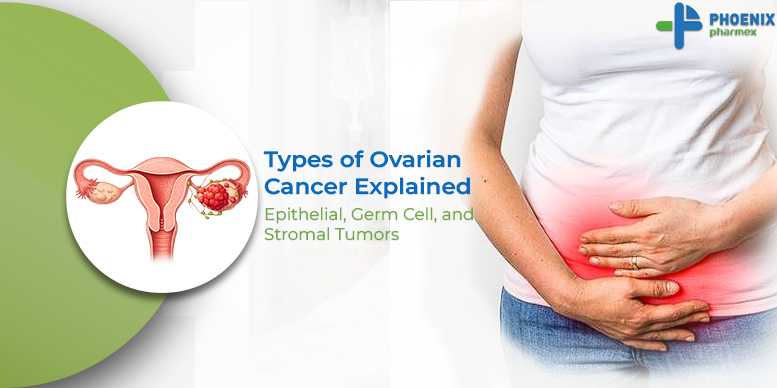
Introduction
Hearing the words ovarian cancer can feel overwhelming on its own. But for many people, the confusion grows when they learn that ovarian cancer is not a single condition it includes several different types. That realization often leads to new questions: What type is it? Why are there different names? Does one type behave differently from another?
This is where misunderstanding commonly begins. Many people assume all ovarian cancers are the same. In reality, the ovaries contain different kinds of cells, and cancer can begin in different areas within them. Because of this, ovarian cancer is classified into several types based on where the abnormal cells originate.
Understanding these differences is not meant to make the condition feel more frightening. In many ways, it does the opposite. When the different types are explained clearly, the condition often feels more structured, more understandable, and less uncertain.
Understanding Ovarian Cancer Types
The ovaries are made up of several different kinds of cells, and each type of cell has a specific role within the reproductive system. Because of this, ovarian cancer can begin in different areas of the ovary, which is why there are several ovarian cancer types.
The main categories include:
Epithelial ovarian cancer
Germ cell ovarian tumors
Stromal ovarian tumors
These types are named according to where the abnormal cells first develop. Each category may:
Develop in different ways
Affect different age groups
Respond differently to treatment
This classification system helps healthcare professionals understand the condition more clearly and supports more accurate diagnosis, treatment planning, and long-term management.
Why Different Types of Ovarian Cancer Develop?
Inside the ovaries, different cells perform different functions within the body. For example:
Surface cells cover the outer layer of the ovary
Germ cells help form eggs
Stromal cells support hormone production
Over time, changes may occur within these cells, leading to abnormal growth. The type of ovarian cancer is determined by which group of cells becomes involved.
This process usually develops gradually rather than suddenly. Understanding where the abnormal cells begin helps explain why ovarian cancer types can differ in symptoms, progression, age groups affected, and treatment approaches.
Epithelial Ovarian Cancer
Epithelial ovarian cancer is the most common type of ovarian cancer. It begins in the thin layer of cells that covers the outer surface of the ovary, known as the epithelial layer.
Common epithelial ovarian cancer symptoms may include:
Persistent bloating
Pelvic discomfort or pressure
Feeling full quickly while eating
Changes in bowel habits
Frequent urination
In the early stages, these symptoms are often subtle and may feel similar to common digestive or abdominal concerns. Because of this, they may not immediately seem related to the ovaries.
Important points about epithelial ovarian cancer include:
It is more commonly diagnosed in older adults
It often develops gradually over time
It includes several different subtypes within the epithelial category
Among the different ovarian tumor types, epithelial ovarian cancer is one of the most widely recognized and commonly discussed.
Germ Cell Ovarian Tumor
A germ cell ovarian tumor begins in the cells responsible for forming eggs within the ovaries. This type of ovarian cancer is less common than epithelial ovarian cancer and is more often diagnosed in younger individuals, including adolescents and young adults.
Possible symptoms may include:
Abdominal swelling or fullness
Pelvic pain or pressure
Menstrual changes in some cases
Germ cell tumors can behave differently from epithelial ovarian cancers. Some may grow more quickly, while others may remain localized for longer periods. Because these tumors often affect younger age groups, the diagnosis can sometimes feel unexpected or confusing at first.
However, treatment planning is carefully structured and based on the specific tumor type, stage, and overall health of the individual. With proper evaluation and monitoring, care is guided step by step.
Stromal Ovarian Tumor
A stromal ovarian tumor develops in the connective tissue cells that support the ovaries and help produce hormones. This is considered one of the less common ovarian tumor types.
Possible symptoms may include:
Hormonal changes
Irregular menstrual cycles
Pelvic discomfort or pressure
Abnormal bleeding
Because stromal tumors can influence hormone production, their symptoms may appear differently compared to other types of ovarian cancer. In some cases, hormone-related changes may become noticeable earlier in the process.
These tumors are often identified through a combination of symptoms, imaging studies, physical examination, and laboratory evaluation. Diagnosis and treatment planning are then guided based on the specific characteristics of the tumor and the individual’s overall health.
Rare Ovarian Cancer Types
In addition to the three main categories of ovarian cancer, there are also several rare ovarian cancer types. These may include:
Small cell ovarian tumors
Clear cell tumors
Borderline ovarian tumors
Rare ovarian tumors may require more specialized evaluation because their behavior, progression, and response to treatment can differ from more common ovarian cancers. This does not automatically mean the condition is more severe. In many cases, it simply means the treatment plan may need to be more individualized and carefully tailored to the specific tumor type.
Healthcare professionals use imaging, laboratory testing, pathology results, and ongoing monitoring to better understand these rare forms and guide treatment step by step.
How Ovarian Cancer Diagnosis Works?
The process of ovarian cancer diagnosis is usually gradual, structured, and designed to build clarity step by step. Healthcare professionals use different methods together to better understand symptoms, identify the type of ovarian cancer, and guide treatment planning accurately.
The diagnostic process may include:
Medical History and Symptom Review
Doctors review ongoing symptoms, menstrual history, and overall health patterns.Pelvic Examination
A physical examination may help assess for noticeable changes or abnormalities.Imaging Tests
Tests such as ultrasound, CT scans, or MRI help visualize the ovaries and surrounding areas.Blood Tests
Blood tests may support evaluation, monitoring, and further assessment of ovarian changes.Tissue Examination (if needed)
In some cases, a tissue sample is analyzed to identify the exact ovarian cancer type and its characteristics.
Each step helps healthcare professionals better understand:
The tumor type
The stage or extent of the condition
The most appropriate treatment approach
The purpose of diagnosis is not assumption or urgency. It is careful understanding, guided evaluation, and informed planning.
What to Expect After Diagnosis?
Receiving information about different ovarian cancer types can feel overwhelming at first, especially when medical terms and treatment discussions are new and unfamiliar. But over time, the process usually becomes more structured and easier to follow step by step.
After diagnosis, you may experience:
Discussions about treatment options
Additional tests for clarification and planning
Regular follow-up appointments and monitoring
Questions and uncertainty are completely normal during this phase. Understanding does not happen all at once it develops gradually through conversations, support, and ongoing care. You are not expected to absorb every detail immediately. The process is designed to guide understanding one step at a time.
Importance of Medical Guidance
Because ovarian cancer types can vary significantly, professional medical evaluation is essential for accurate understanding and treatment planning. Healthcare professionals help identify the specific tumor type, determine the stage of the condition, create individualized treatment plans, and monitor progress over time.
Medical guidance also provides ongoing support, clearer communication, and structured follow-up throughout the process. This is not about urgency or assumption. It is about steady understanding, informed decisions, and personalized care designed around each individual situation.
Conclusion
Ovarian cancer is not a single condition. It includes several different tumor types that begin in different kinds of ovarian cells. When you understand the main ovarian cancer types, how epithelial, germ cell, and stromal tumors differ, and why diagnosis and treatment approaches can vary, the topic often becomes far less confusing and more structured.
You do not need to memorize every medical detail all at once. The most important step is understanding the specific type involved and moving forward gradually with professional guidance and support. And when approached one step at a time, that process becomes far more manageable and less overwhelming.
FAQs
1. What are the main ovarian cancer types?
The main types of Ovarian Cancer include epithelial ovarian cancer, germ cell ovarian tumors, and stromal ovarian tumors. Each type develops from different cells within the ovary.
2. What is epithelial ovarian cancer?
Epithelial ovarian cancer is the most common type of ovarian cancer. It begins in the thin layer of cells covering the outer surface of the ovary.
3. Are germ cell ovarian tumors common?
No. Germ cell ovarian tumors are less common and are more often diagnosed in younger individuals. They develop from the cells responsible for producing eggs.
4. What are stromal ovarian tumors?
Stromal ovarian tumors develop in the connective tissue cells of the ovary that produce hormones. These tumors are relatively uncommon compared to epithelial ovarian cancer.
5. How is ovarian cancer diagnosis confirmed?
Diagnosis usually involves imaging tests, blood tests, and medical evaluation. In some cases, tissue examination or biopsy may be needed to confirm the diagnosis clearly.
Reference
Medical Disclaimer
The information provided on Phoenix Pharmex is for educational purposes only and should not be considered a substitute for professional medical advice, diagnosis, or treatment. Always consult a qualified healthcare provider or doctor for any medical concerns, medication use, or health-related decisions. Do not ignore or delay seeking medical advice based on the content available on this website.

 Login with Facebook
 Login with Google
